Pune: Rampant antibiotic, anti-fungal, and steroid use during the Covid pandemic are likely
to be fuelling the spike in cases of multi-drug resistant Candida auris – a type of fungal
infection, a study by a team of Pune doctors has revealed.
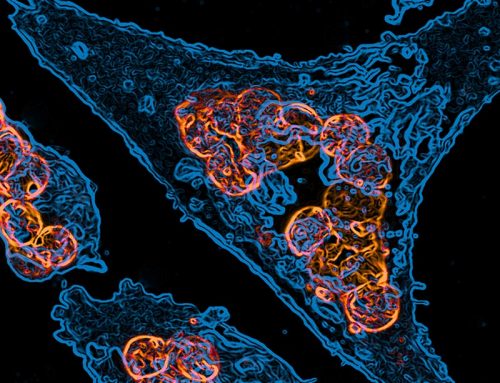
India has been facing a drug-resistant Candida auris crisis which is being dubbed as a global
health threat – since 2011.
However, the virulent and difficult to diagnose and treat fungal infection caused by Candida
auris strains is now being seen in 40% of the fungal infection as against its reported
incidence of 5 to 6% prior to the pandemic.
“In a nationwide study, only 5-6% of the candida infections in India were caused by Candida
auris prior to the pandemic. However, in the last one year, drug resistant Candida auris is the
fungal species seen in more than 40% of patients with candida infections in our study. Half of
these patients have had Covid in the past, were hospitalized and treated with steroids and
multiple drugs,” said Deenanath Mangeshkar hospital infectious diseases expert Parikshit
Prayag, the study’s lead investigator.
In addition to the widespread use of steroids, antifungals, and antibiotics in Covid patients,
the availability of improved and accurate diagnostics has also contributed to the increased
detection rate, experts have said.
“We would detect five patients with drug-resistant candida auris every year prior to the
pandemic, now we get five such patients every month at our hospital. Almost all of these
patients are referred to us from small units for higher treatment after a prolonged hospital
stay outside,” Prayag said.
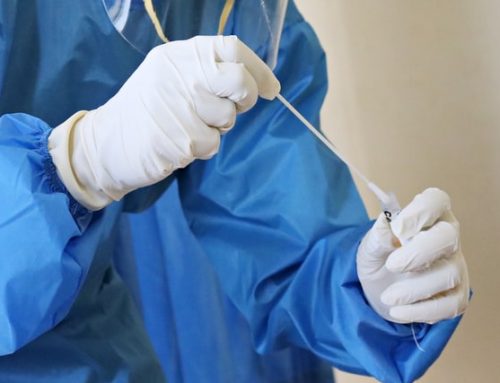
To detect Candida auris, sophisticated testing infrastructure such as MALDI-TOF machines
are required, which are available at a few centers across the country.
“Routine testing methods often fail to identify the drug-resistant strain. Before 2019, the
MALDI-TOF machines were available only at a handful of centers. But now it is available at
quite a few centers. We have this machine at DMH,” Prayag said.
The CDC estimates that 30% to 60% of patients with Candida auris infections have died, but
the agency notes that many of those patients have multiple underlying health conditions,
making it difficult to determine how much the pathogen is contributing to those deaths.
Since being discovered, Candida auris has spread rapidly across the globe, with multiple
cases reported in healthcare facilities in more than 30 countries, including the US.
“The fungus can survive on dry surfaces for weeks and is hard to kill once it gets on hospital
surfaces,” said infectious diseases expert Sanjay Pujari, member of the national Covid task
force.
Since then, despite implementing contact precautions, using bleach to disinfect surfaces, and
decolonizing patients with the antiseptic chlorhexidine, the proportion of hospitalized patients
testing positive for Candida auris has gone up significantly over the last two years, Pujari
said.