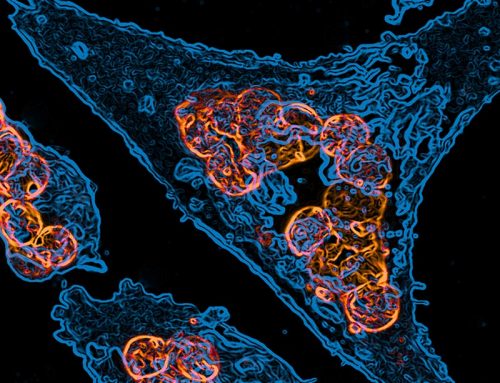
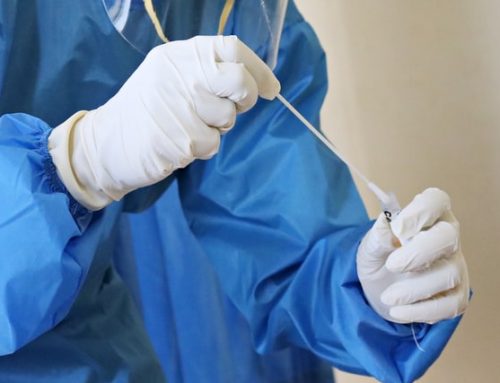
New Delhi: Disease-causing fungi are present everywhere, including in hospital settings.
Active surveillance, hand hygiene and adequate sterilisation of instruments can go a long
way in preventing fungal infection of immune-compromised patients. Healthcare workers do
everything to prevent hospital-acquired infections, but despite this, the efforts sometimes are
in vain.
Recently, AIIMS published a study in Journal of Preventive Medicine and Hygiene analysing
fungal carriage on healthcare workers’ hands, clothes and stethoscopes. It revealed that out
of 60 healthcare workers, 20 (33%) showed fungal carriage. Aprons/hospital scrubs were
contaminated in 17 (28%) and hands in 3 workers (5%). The aprons and scrubs mainly
carried moulds belonging to the Aspergillus species, while hands were contaminated with
Candida species. Electronic devices and stethoscopes had no fungal contamination, the
study noted.
Dr Arvind Kumar, corresponding author of the study, said they did not assess whether the
fungal carriage on healthcare workers’ hands or aprons had any correlation with infection
among the patients. He said, “AIIMS has one of the most intense infection control
programmes, including regular monitoring of hand hygiene, sterilisation of instruments and
overall hygiene in hospital settings.”
While a healthy person is not affected by fungi, a person with a weakened immunity can
develop serious infection on exposure to the disease-causing organisms. The World Health
Organization recommends sterilisation and disinfection of the equipment used by multiple
patients (tracheal tubes, ventilators) and of the ventilation system to prevent spread of fungal
infection in hospitals.
Additionally, doctors said, overuse of antibiotics must stop because the anti-bacterial
drugs also end up killing the good bacteria that prevent fungal infections. The last resort
drugs should be used sparingly, they added.
Fungal infections are a serious problem among hospitalised patients and cause increasing
morbidity, mortality and healthcare costs, according to the AIIMS study. It reported that a
study at a tertiary care centre in India had 15% invasive fungal infections in the ICU,
including invasive aspergillosis, invasive candidiasis and mucormycosis.
Fungi naturally live on human skin and on healthcare workers’ hands, says the US Center for
Disease Control and Prevention. The fungi can enter the body through cuts and wounds and
cause infection during a hospital stay, especially if the wounds are severe, CDC says. “Fungi
are difficult to avoid because they are a natural part of the environment. Fungi live outdoors
in soil, on plants, trees, and other vegetation. They are also on many indoor surfaces and on
your skin. However, there may be some ways for you to lower your chances of getting a
serious fungal infection. This includes timely diagnosis and treatment and maintaining hand
hygiene,” said experts.